



We have invested countless hours analyzing the architecture of modern slot games, and we consistently revert to a single, undeniable truth: the most brilliant mathematical models and breathtaking visual effects mean nothing if the player cannot orient themselves around the interface https://kingkongsplash.co.uk/. In our analysis of King Kong Splash Slot, the navigational design does not merely serve as a background utility; it stands out as the primary reason for sustained engagement. We witnessed a fluidity that removes the cognitive friction usually associated with complex betting configurations. The developers have clearly focused on a layout where every control seems exactly where our instincts anticipate it to be, creating an immediate sense of mastery from the very first spin.
Structural Layout and Space Coordination
When we initially opened the game, the layout of elements of elements struck us as remarkably balanced. The reels occupy the main area with an commanding presence, yet they do not bully the adjacent elements into the background. We saw a clever use of white space that encloses the action without rendering the display feel hollow. The game controls is positioned to the bottom area with a heavy, physical look that imitates real casino buttons. This spatial balance guarantees that our digits, on handhelds, never overstretch, and our cursors, on desktop computers, cover minimal distances. The transparency settings of the overlay menus are calibrated ideally, enabling us to adjust settings while keeping a blurred visual connection to the reels rotating behind the overlay layer.
The Central Control Hub
We find that many competing slots scatter their dynamic elements across differing corners of the screen, compelling a frantic sight search. Here, the command hub works on a concept of radial focus. The spin button, by far the most commonly used element, is not just more substantial but is placed in a zone of instinctive thumb rest. Encircling it, we encounter the autoplay and bet adjustment options emanating outward in a logical hierarchy of frequency. This clustering reduces detailed motor strain during extended sessions. We specifically admire that the developers avoided the tendency to conceal additional features like the turbo mode behind embedded menus; these are available within the hub’s close orbit, acknowledging that speed control is a central navigational need, not an afterthought thought.
Optical Heft and Button Markers
In our dissection of the layout, we noted that the visual signifiers follow strictly to standard global gaming conventions. Buttons appear pressable; sliders appear draggable. There is a pleasing realistic depth to the elements, with delicate transitions that draw the highlight, inviting engagement. We rarely needed to wonder whether an element was cosmetic or operational. The distinction is accomplished through variation proportions and a uniform shadow system that raises interactive sections above fixed backgrounds. When a choice is executed, the tactile feedback is immediate, with a brief luminance flash that verifies the action without jarring us out of the gaming flow. This distinct expression of usability is a exemplar in reducing the educational path to complete zero.
Handheld Adaptability and Finger Optimization
We thoroughly examined the game over numerous monitor sizes, and the responsive arrangement is authentically impressive. Rather than simply compressing the desktop frontend, the alignment transitions to a upright refined stack that honors the ergonomics of single-handed operation. We noted that essential touch zones seldom fall below the recommended 48-pixel threshold, avoiding the irritation of mis-taps during high-stakes special stages. The swipe gestures appear native to the device, not added on. When we turned our screens, the restructuring of parts was immediate, with none layout breaking or copy clipping. This dedication to flexible design confirms that the handheld experience was the main plan, not an second thought, ensuring that navigation continues natural irrespective of the device in our grip.
The Payout Table and Information Accessibility
Transparency is a cornerstone of trust, and we observed the info structure here to be exceptionally forthright. Opening the paytable does not trigger a different, slow-loading PDF or a convoluted multi-page tool. Rather, a seamless overlay slides into sight, presenting symbol values and payline layouts with clear, high-definition sharpness. We could smoothly scroll through rules pages, and the machine remembered our spot if we exited the panel mid-way. The text used is succinct, avoiding legal terms where straightforward explanations work. Crucially, dynamic figures within the paytable update in real-time to show our present bet multiplier. This real-time updating erases the mental arithmetic that often plagues slot play, letting us to quickly understand the exact money worth of each potential pairing we are chasing.
The concept of Uninterrupted Player Flow
We think that outstanding game design is unseen. When we analyze a slot, we actively search for moments of hesitation, those micro-pauses where the brain struggles to identify the spin button or the pay table. In this title, those moments are completely absent. The creative approach seems to center around a looping eye-tracking pattern, directing our gaze instinctively from the reels to the wager adjuster and back without demanding peripheral scanning. This is not an fluke; it is a purposeful avoidance of messy gaming interfaces. By eliminating visual clutter and highlighting tactile-like visual feedback, the studio has crafted an environment where the player’s flow state remains intact, letting us to focus purely on the growing tension of the colossal ape’s feature activations.
Stake Adjustment and Bet Setup Logic
We have experienced countless slots where changing a bet appears like handling a tricky device, with unclear coin values and level bonuses. The setup logic here is a welcome change. We appreciated the unidirectional slider that transitions effortlessly from lowest to maximum stake, accompanied by a prominent numerical indication of the total bet. There are no concealed menus for coin sizes that accidentally reset our preferences. The platform provides a obvious visual divider between lower, mid, and high-roller zones on the wager spectrum. We also observed the intelligent safety prompts; if we attempt to rotate with a substantially increased stake, a understated, non-disruptive confirmation flash appears, functioning as a safeguard against accidental high-value wagers without disrupting the pace of the play.
Audio-Visual Feedback as a Navigational Guide
We rarely discuss sound in the realm of navigation, but here it acts as a critical orienting tool. The interface uses a characteristic, stratified audio signature for different action classes. A gentle, ascending chime confirms a bet boost, while a more profound, more sonorous click fixes the spin. These sound cues deliver confirmation without forcing us to glance away from the reels. When we enter a bonus feature, the complete soundscape changes, marking a modal change in the game state navigationally before we even interpret the visual shift. This multi-sensory reinforcement is vital for players who trust rhythm. The visual feedback is just as precise; winning lines are lit up with orientation-based pulses that follow the payline path, instructing us the structure of the game entirely through celebratory animation.
Distraction-Free Absorption and Overlay Visibility
We are particularly responsive to interfaces that clamor for focus with flashing banners and popup purchase propositions. The layout here advocates subtlety. Notifications for achievements or credit adjustments drift in from the side with a gentle fading, providing information without interrupting the interaction layer. The full-screen setting is authentically full-screen, hiding browser chrome and OS panels to establish a self-contained universe. When we checked the gaming guidelines or log, the layer maintained a strong transparency backdrop, successfully dimming the spins to push the information forward in our visual hierarchy. This control of sight layering guarantees that when we are browsing the configurations, we are not distracted by the game, and when we are playing, we are not bothered by the configurations.
In summing up our thorough exploration, we determine that the navigation structure of this slot machine is its unseen killer aspect. Every swipe, click, and tap appears premeditated to cater to the gambler’s comfort and quickness. The design does not just enable play; it dynamically enhances the theme intensity by clearing every potential hurdle between the user and the raw excitement of the next major win. It stands as a reference for how careful design and responsive feedback can transform a standard game session into a seamless lesson of user interaction.
Loading Speed of the Game and State Persistence
Moving through the game commences long before the reels show up; it starts with the initial loading screen. We measured the startup sequence and discovered it optimized to almost instant readiness on a reliable connection. The absence of intrusive, non-skippable intro screens means we move from intent to action in a few seconds. More importantly, the game shows outstanding state persistence. If connectivity drops, the game interface recovers smoothly, restoring our exact bet configuration and session state without resetting to factory defaults. We never were required to navigate again the betting options after a short interruption. This reliability is a subtle, strong feature of intuitive design; it acknowledges our previous selections and erases the constant hassle of reconfiguration, preserving the way return the play as quick as possible.
Automatic play and Advanced Session Management
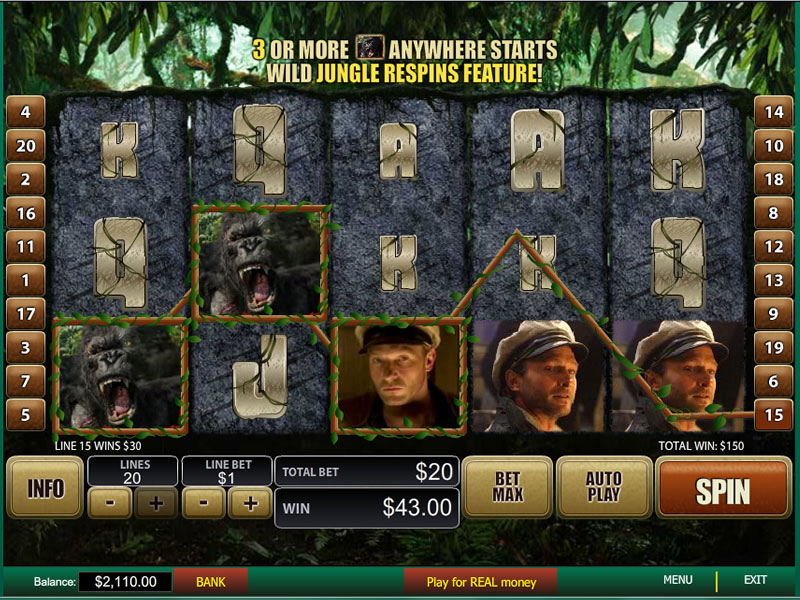
For those of us who favor a more detached observation style, the advanced session management tools are a interface triumph. The autoplay configuration panel is a model of clear grouping. We observed loss limits, single win limits, and spin counts separated into distinct visual cards, avoiding the blurring of combining financial controls with mechanical ones. Activating these limits seems robust, with clear on/off states that leave no doubt. We especially valued the real-time session tracker that discreetly ticks down remaining spins or displays current loss thresholds without interfering on the main reel area. This enables us to maintain a disciplined approach to bankroll management while the base game navigation persists to operate with the same seamless responsiveness.